Hedge Trimming in Fitzrovia
Hedge Trimming Fitzrovia provides a focused hedge cutting service in Fitzrovia, with tidy shaping, seasonal reduction and routine maintenance for domestic and commercial boundaries. The work is suited to front gardens, courtyard planting, shared access routes and managed outdoor spaces where a neat line matters as much as healthy growth. We trim to improve appearance, maintain usable size and keep hedges within agreed limits while respecting the character of the planting.
Careful hedge work is not only about making growth look even. Different species respond differently to cutting, and the best approach depends on density, timing and the result you want. Some hedges need a light tidy to preserve form, while others benefit from a more deliberate reduction that restores symmetry without stripping the plant bare. We can discuss the most suitable approach and prepare a quotation that reflects the scope of the work.
For a clear starting point, tell us the hedge type, approximate length and preferred finish. If you already know that a hedge needs a minor trim rather than a fuller reduction, that helps keep the work focused and practical. If you are comparing options, our services overview gives a simple picture of the wider work we provide, while this page stays centred on hedge trimming itself.
What our hedge trimming service covers
We trim hedges to restore shape, reduce overgrowth and keep growth manageable along paths, fences, driveways and property edges. A well-cut hedge should sit neatly, with a finish that suits the plant and the setting rather than forcing every boundary into the same outline. Our approach is suitable for regular maintenance cuts, seasonal tidying and more involved restorative work where hedges have become uneven or bulky.
Every hedge presents a different balance between control and preservation. Young hedges often need a lighter hand to encourage even growth, while established hedges may require selective cutting to bring the line back under control. Where a hedge has become too wide, too tall or too dense, trimming can improve structure without removing more than is necessary. If you want to see how this fits alongside other outdoor work, garden maintenance is a useful related page for broader routine care.
Shaping, reduction and routine upkeep
There is a difference between a quick tidy and a more deliberate hedge reduction. Tidy trimming focuses on the visible surface, removing protruding growth and keeping the hedge crisp. Reduction work takes a little more planning and is best used where the hedge has outgrown its allotted space. Our job is to make the cut match the plant’s condition and your preferred result, rather than applying an overly heavy finish that may leave gaps or stress the hedge.
Hedges, boundaries and access points

Hedges often do more than mark a line. They can frame a terrace, soften a frontage, screen a courtyard or create a sense of privacy between properties. Good trimming keeps those functions intact while improving the look of the boundary. When we work on access-side planting, we aim to preserve sightlines and keep growth away from gates, pathways and drive points so the hedge remains presentable and practical.
For properties with mixed planting or broader outdoor improvements, hedges may form only one part of the picture. In those cases we can keep the trimming neat and focused without widening the job unnecessarily. If the boundary work is part of a larger landscape plan, landscape gardening explains a related service area, while this page stays with the specific task of cutting and shaping hedge growth.
Where a hedge is shared or visible from multiple sides, the finish often needs to be consistent from every angle. That can mean balancing the top line, side faces and corners so the result looks intentional from the street and from the garden. We also pay attention to the hedge’s natural habit, because some varieties look best with a softer profile rather than a tightly geometric one. Consistency matters, but so does working with the plant’s form.
Choosing the right level of cut
Not every hedge needs the same treatment. The right level of cut depends on whether the main goal is appearance, boundary control, access clearance or a return to a more manageable size. Light maintenance cuts are usually best when growth is generally healthy and the hedge already has the shape you want. Heavier work is more suitable where the hedge has sprawled, lost definition or begun to dominate the space around it.
When deciding how far to go, it helps to think about the hedge’s current structure. If the hedge has thick inner growth and a strong framework, it may respond well to a more pronounced trim. If the plant is sparse or newly established, a softer approach is usually wiser. For customers who want to compare trimming with other related tasks, garden clearance is available for broader tidy-up work, while hedge trimming remains the more precise boundary-focused service.
- Light trim: for neatness, minor shaping and regular upkeep
- Reduction cut: for hedges that have grown beyond the desired size
- Form correction: for uneven sections, bulges or awkward corners
- Access clearing: for hedge growth affecting paths, drives or entrances
Materials, species and finishing detail

Different hedge types call for different techniques and expectations. Evergreen hedges often need careful surface cutting to keep the line dense and even, while deciduous hedges may tolerate a slightly more open finish after pruning. A neat result should leave the hedge looking deliberate, not clipped so hard that it appears patched. We work with the plant in mind so the finish looks tidy now and remains workable later.
If a hedge sits alongside lawn edges, planted borders or paved access, the final appearance depends on the whole boundary, not just the top growth. Small variations in line can matter, particularly where the hedge is highly visible from the street. Our trimming aims to bring a clear edge back into view and remove distracting protrusions. If you need lawn work alongside the hedge, lawn mowing is a sensible related page to review.
We can also discuss how a hedge should be finished around corners, junctions and transitions between different plants. This is where a careful eye matters, because abrupt changes in height or width can make the boundary look disjointed. Good hedge work is measured, not rushed. The aim is an even result that sits naturally with the rest of the outside space and does not call attention to uneven cuts or missed sections.
Preparing for a quotation
A quotation is easiest to prepare when the hedge’s basic details are clear. The most helpful points are approximate length, estimated height, whether the hedge is on one side or both sides, and whether you want a tidy-up or a reduction. If there are any awkward access points, narrow passages or overhanging sections, those details also help shape the quote. It is better to describe the job plainly than to overstate what needs doing.
Photos can be useful when the hedge line is difficult to describe, especially if growth has spread unevenly or the hedge runs around a corner. A few clear images and a short note about the finish you want will usually provide enough context to start. If you are ready to speak about pricing and scope, pricing and quotes is the most direct place to compare how enquiries are handled, and you can ask for a quotation from there.
For a smoother enquiry, try to note whether the hedge is being maintained regularly or has been left for a longer period without cutting. That distinction can affect the amount of work involved and the style of finish that is sensible. We use the information provided to shape a practical quotation, not to add unnecessary extras. If you would like to request a quotation, share the hedge details and the preferred result in your message.
Related outdoor work and wider upkeep
Sometimes hedge trimming is part of a broader set of garden tasks. A boundary may need cutting back at the same time as surrounding shrubs are tidied, a lawn is reduced, or a clearer layout is established. In those situations, it can make sense to plan the work together so the finished garden looks coherent rather than pieced together from separate visits. We keep the hedge work distinct, but we can describe how it sits alongside other outdoor services.
Where hedges are linked to beds, borders or planted edges, a trimming job can reveal other maintenance priorities. Overlapping branches, fallen clippings and encroaching growth may show where the space needs more regular attention. Landscaping is a useful related page if you are considering changes beyond a single hedge cut, while this service remains concerned with the precise cutting and reshaping of hedge growth.
If the hedge is part of a property that also needs boundary pruning, tree work or garden tidying, it is often helpful to set the scope early. That keeps the quotation grounded in the actual task rather than a vague description. We can then focus on the hedge itself: the line, the thickness, the finish and any areas that need extra care. The result should be tidy, controllable and appropriate to the planting.
About Fitzrovia

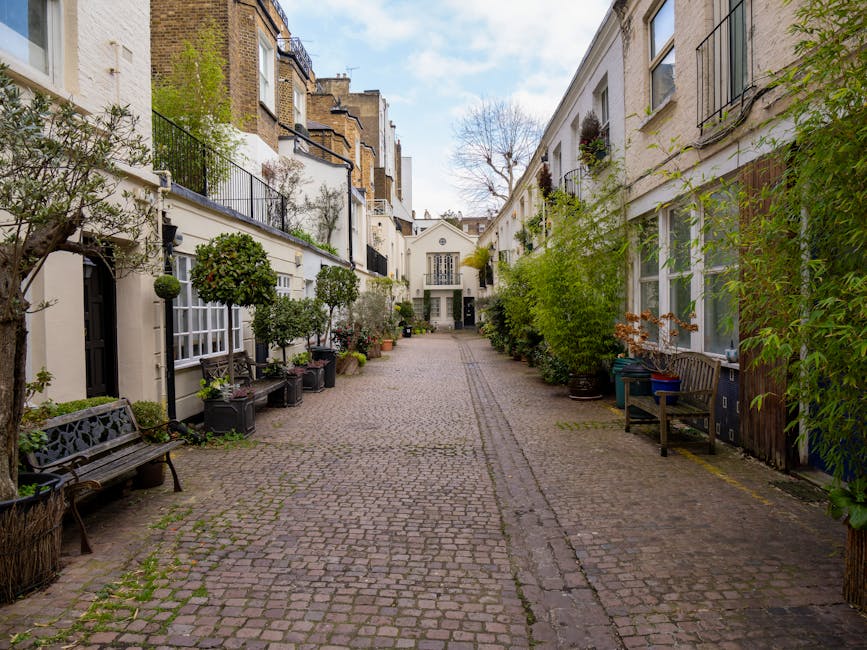
Fitzrovia is a central London district with a compact street pattern, a long architectural history and a strong mix of residential, commercial and cultural character. It sits between several better-known areas of the West End and the broader Bloomsbury–Marylebone fringe, yet it has its own distinct identity shaped by smaller terraces, converted houses, office streets and older institutions. The name came into wider use in the twentieth century, but the area’s built environment reflects much earlier development, especially the Georgian and Victorian periods when many of its terraces and mansion blocks took shape. That layered history is visible in the mixture of brick façades, stucco details and varied street widths that appear across the district. Fitzroy Square is one of its best-known formal spaces, showing the planned elegance associated with the area’s development, while nearby streets display a more mixed urban grain. The district also has long links with publishing, media, design and the arts, which have contributed to its identity over time. Today Fitzrovia remains busy and closely connected to the surrounding central London network, with an urban landscape that combines local squares, busy thoroughfares, smaller side streets and pockets of quieter residential character. Its setting gives it a recognisable balance of historic texture and everyday city life.
Hedge trimming for tidy, manageable boundaries
Well-managed hedges are easier to keep in shape than hedges that are left to run for too long. Regular trimming helps preserve a clean profile, reduces the need for more dramatic cutting later and keeps the boundary looking intentional. The exact interval depends on growth rate and the species involved, so we prefer to treat hedge care as a measured routine rather than a one-size-fits-all cycle. That approach keeps the finish under control.
There is also value in deciding what you do not want. Some customers want a sharp formal line, others want the hedge reduced but still soft at the edges, and others simply want the overgrowth removed without changing the character too much. Clear preferences make the work easier to plan and make the final result more satisfying. If the hedge is part of a larger garden update, our about us page gives a little more general background on the business.
Useful details for a clearer quote
When you ask for a quotation, a few practical points help us respond sensibly. These include whether the hedge is accessible from one side only, whether the cuttings need removing, and whether the hedge is just being maintained or reshaped more substantially. If you can share those details in one message, it becomes easier to match the work to the space and avoid back-and-forth later. This is not about formality; it is simply about getting the scope right.
Maintaining a neat finish over time
After the first cut, the long-term appearance of a hedge depends on how consistently it is maintained. A hedge that is kept within its line is usually easier to keep tidy, while one that is allowed to drift outward may need a more involved corrective cut. That is why many customers treat trimming as part of regular garden upkeep rather than a one-off correction. A steady approach can make the boundary look sharper and more settled.
For customers with several outdoor tasks, it can be helpful to separate the hedge into sections mentally: the visible street-facing run, the side boundary, the top line and any access points that need clearance. That makes it easier to explain priorities and choose the finish that matters most. If tree work is also needed, tree lopping and removal is available as a related service, though hedge trimming remains the focus here.
To arrange work, send the hedge details and ask for a quotation. If you would rather check the service scope first, start with the pages above and then come back with the measurements or a brief description. We will use the information provided to prepare a clear, practical response based on the hedge itself and the finish you want.
Supporting services and practical site care
Hedge work sometimes reveals other maintenance needs around the boundary, such as clearing cuttings, improving access or tidying adjoining planting. That does not mean every job needs to become a larger project. Instead, the sensible approach is to identify what is essential to the hedge trim and what can be left for another time. Keeping that distinction clear helps the finished space look orderly without turning a straightforward task into something unnecessarily broad.
Where a boundary forms part of a more complete outdoor scheme, the hedge may sit alongside hard landscaping, planted areas or maintenance routines that need their own attention. Decking services can be relevant if the hedge borders a raised or paved outdoor area, while recycling and sustainability is a useful page if you want to understand our broader approach to responsible handling of garden waste and materials.
We also recognise that some jobs need an orderly start and finish. A neat hedge cut should leave the boundary looking cleaner, not create a mess that distracts from the result. When appropriate, the quotation can reflect the handling of the work as well as the cut itself. That is especially useful where the hedge forms part of a visible frontage or a shared access route and the final presentation matters.