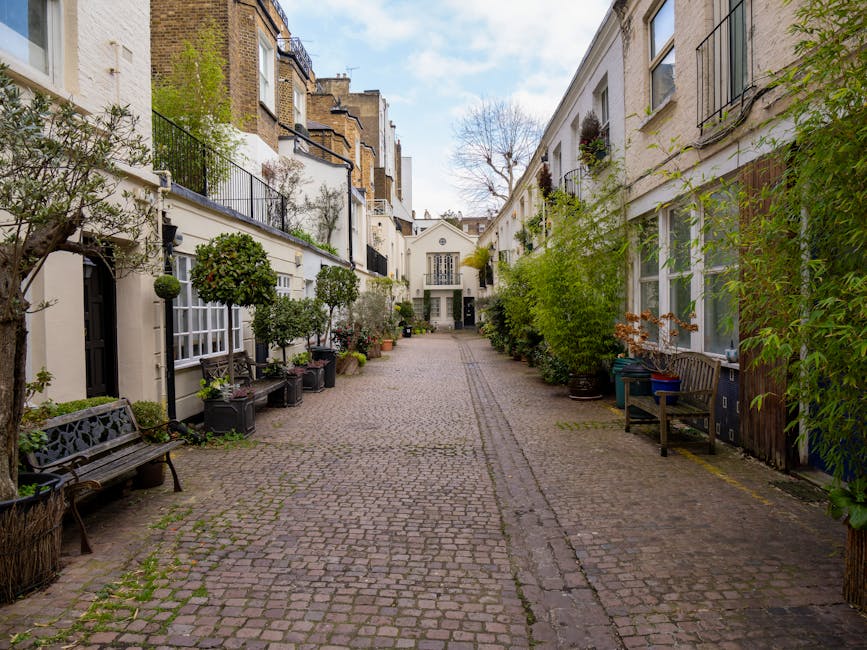
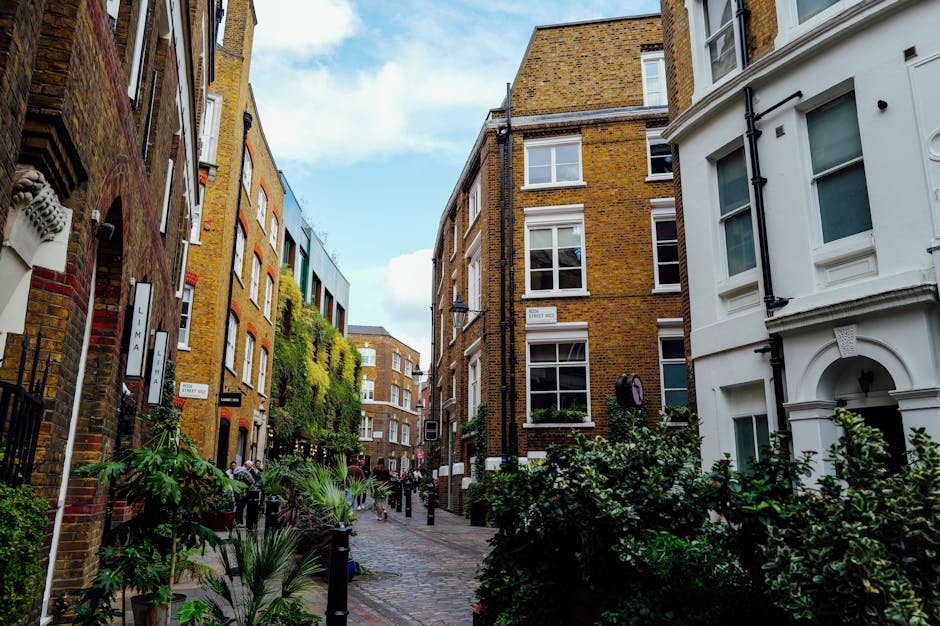
Charlotte Street garden maintenance guide for Fitzrovia flats
If you live in a Fitzrovia flat, the outdoor space you have is probably small, precious, and a bit awkward at the same time. A narrow balcony, a shared courtyard, a roof terrace that catches too much wind, or a tiny planting strip outside the building can look lovely in the right hands - and messy very quickly in the wrong ones. This Charlotte Street garden maintenance guide for Fitzrovia flats is written for exactly that reality. Not a suburban lawn. Not a sprawling country garden. Just practical, local, realistic care for compact urban green spaces where every pot, plant, and inch matters.
In this guide, you'll learn how garden maintenance works in a flat setting, what tasks matter most, how to avoid common mistakes, and how to keep the space healthy through the seasons without making life complicated. Whether you manage a private terrace, a communal courtyard, or a few containers outside a Charlotte Street property, the goal is the same: keep it tidy, alive, and genuinely pleasant to use.
And yes, there is a knack to it. Truth be told, most small London outdoor spaces don't fail because people don't care. They fail because nobody has a simple plan. Let's fix that.
Table of Contents
- Why Charlotte Street garden maintenance guide for Fitzrovia flats Matters
- How Charlotte Street garden maintenance guide for Fitzrovia flats Works
- Key Benefits and Practical Advantages
- Who This Is For and When It Makes Sense
- Step-by-Step Guidance
- Expert Tips for Better Results
- Common Mistakes to Avoid
- Tools, Resources and Recommendations
- Law, Compliance, Standards, or Best Practice
- Options, Methods, or Comparison Table
- Case Study or Real-World Example
- Practical Checklist
- Conclusion
- Frequently Asked Questions
Why Charlotte Street garden maintenance guide for Fitzrovia flats Matters
Garden maintenance for flats in Fitzrovia is not just about keeping things looking neat for visitors. It affects how the space functions day to day, how safe it feels, and how long your planting actually lasts. A well-kept terrace or courtyard can make a flat feel bigger, calmer, and more usable. A neglected one starts to feel like a storage corner with a few tired shrubs trying their best.
In a central London setting, small outdoor spaces deal with extra pressure: shade from neighbouring buildings, wind tunnels between rooftops, reflected heat in summer, dust, limited access to water, and less room for error. A plant in a garden bed has more resilience than a plant in a pot on a sixth-floor terrace, simple as that. So maintenance has to be more deliberate.
There is also the property angle. If you rent or manage a flat near Charlotte Street, outdoor presentation influences perceived value. Clean containers, healthy foliage, trimmed growth, and clear walkways make a strong impression. Not flashy. Just cared for. That matters more than people sometimes admit.
For broader property care, some readers also find our garden maintenance services useful as a starting point, especially if they want regular help rather than a one-off tidy-up. If your space includes deeper planting or tougher seasonal overgrowth, our garden clearance support can also be a practical next step.
How Charlotte Street garden maintenance guide for Fitzrovia flats Works
Think of flat garden maintenance as a cycle rather than a big occasional job. Small spaces work best when they are checked regularly and adjusted often. You are looking for signs, not surprises. Yellowing leaves, standing water, compacted compost, wind damage, pests, dry soil, and awkward overgrowth all show up fast in compact environments.
A typical maintenance routine for Fitzrovia flats usually includes:
- watering based on weather and container size
- deadheading flowers and removing damaged growth
- checking drainage and lifting pots if water sits underneath
- light pruning to keep shape and prevent crowding
- feeding plants seasonally, where appropriate
- cleaning hard surfaces, trays, and edges
- inspecting for pests, mildew, and root stress
That sounds straightforward, but the detail matters. For example, a balcony that gets morning sun and afternoon shade may need a different watering rhythm from one facing west and getting full summer heat until 7 p.m. On a windy roof terrace, trailing plants can dry out frighteningly fast. On a shaded courtyard, soil can stay damp longer than you expect, which is great until it isn't.
Good maintenance is responsive. You check, you adjust, you keep notes if needed. Nothing dramatic. Just consistent.
If your outdoor area is part of a larger building or managed block, it can help to coordinate with building services too. Our communal garden maintenance page explains the sort of regular care shared outdoor spaces often need.
Key Benefits and Practical Advantages
There are real, day-to-day benefits to keeping a Charlotte Street flat garden properly maintained. Some are obvious. Some creep up on you.
- Better plant health: regular care prevents problems from turning into plant loss.
- Cleaner appearance: a small space looks bigger and more polished when it is tidy.
- Less long-term cost: replacing plants or damaged containers usually costs more than maintaining them well.
- Improved usability: no one relaxes on a terrace full of leaf litter, damp mats, and sprawling stems.
- Safer access: clear paths and stable pots reduce trip hazards and clutter.
- Better neighbour relations: especially where overgrowth, water runoff, or falling leaves can affect adjoining flats.
There is a quieter benefit too: the space feels like part of your home rather than an afterthought. On a grey London morning, that matters. Even a small rosemary plant by the door or a well-trimmed jasmine in a container can change the mood of the whole place. A bit cheesy? Maybe. Also true.
For landlords and managing agents, consistent maintenance can also reduce complaints. People notice when gutters clog with debris from nearby planters, or when ivy starts pushing where it shouldn't. Preventative care is easier than apologising after the fact.
Who This Is For and When It Makes Sense
This guide is most useful if you have any of the following:
- a flat with a balcony, terrace, or roof space
- a ground-floor apartment with a small front or rear planting area
- a communal courtyard that needs regular upkeep
- a rented flat where the outdoor area is part of the appeal
- a managed property where maintenance standards need to stay consistent
It also makes sense if you have inherited a space that was set up nicely but now feels a little unruly. That is very common around central London. Planting looks lovely in spring, then summer arrives, people go away, nobody quite remembers the watering schedule, and by September things are hanging on by a thread.
If you are a resident, the guide helps you decide what to do yourself and when to call in help. If you are a landlord or block manager, it gives you a sensible benchmark for what "well maintained" should look like in a flat environment.
And if you are deciding whether regular help is worth it, our seasonal garden maintenance service overview can help you weigh the difference between ad hoc care and planned upkeep. It often comes down to time, access, and how much you want to avoid the usual scramble.
Step-by-Step Guidance
Here is a practical approach that works well for most Fitzrovia flats. Not every space needs every step every week, but the sequence is a good framework.
1. Start with a simple assessment
Walk the space slowly and look at it from different angles. Morning light, afternoon light, and just after rain all reveal different issues. Check for dead leaves, pest damage, water pooling, leaning containers, and any plants that are outgrowing their spot.
2. Tidy the obvious clutter first
Remove fallen leaves, broken stems, spent flowers, packaging, and anything sitting in trays or corners. This makes the rest easier. You can think clearly once the visual noise is gone. Funny how that works.
3. Check watering needs carefully
Container plants dry out much faster than bed plants. During warm spells, pots may need watering every day or two, but not always. Stick a finger into the compost. If it feels dry below the surface, water deeply rather than just sprinkling the top. If it still feels damp, leave it.
4. Prune with restraint
In small spaces, over-pruning can be just as messy as not pruning enough. Focus on damaged, crossing, or overlong growth. Keep climbers tied in neatly. Avoid cutting hard into woody shrubs unless you know the species and the right season.
5. Feed plants when they are actively growing
Use the right feed for the plant type and season. Containers often need more support than garden beds because nutrients wash out more quickly. That said, overfeeding can do damage too. More is not always better. Plants are not fans of being force-fed, to be fair.
6. Refresh the surface
Replace tired mulch, remove algae from hard surfaces where safe to do so, and wipe down railings, planters, and pots. A clean edge makes a surprisingly large difference. Small spaces show mess immediately.
7. Inspect drainage and structure
Make sure pots have clear drainage holes and that trays are not holding stagnant water. Check for cracked containers, loose trellis fixings, and any signs of pressure on balcony surfaces or walls. On upper floors, this is especially worth doing after heavy rain.
8. Keep a seasonal rhythm
Spring is for resetting and planting. Summer is for watering and deadheading. Autumn is for clearing and protecting. Winter is for cutting back gently, checking damage, and preparing for the next cycle. The routine changes, but the habit stays the same.
A small note here: if your outdoor area feels overwhelming, do one corner at a time. One shelf, one planter, one railing box. It is much easier to improve a space in layers than to stare at the whole thing and sigh. We have all done that.
Expert Tips for Better Results
These are the details that make a noticeable difference, especially in Charlotte Street and wider Fitzrovia where space is tight and conditions can be a bit unforgiving.
- Choose plants for the site, not just for looks. A shade-loving fern in a sunny exposed spot will struggle no matter how much you want it to work.
- Use larger containers where possible. Bigger pots hold moisture more evenly and buffer temperature swings better than tiny ones.
- Group plants with similar needs. That makes watering and feeding simpler and avoids one plant suffering while another thrives.
- Plan for wind. Lightweight pots may need ballast, stabilising trays, or a more sheltered position.
- Watch for reflected heat. Glass and pale walls can intensify sun exposure on balconies and terraces.
- Keep a backup watering plan. If you travel, even a short break in summer can undo weeks of good care.
One small but valuable habit is to rotate containers occasionally so plants do not lean toward one side. It sounds trivial until you notice your bay tree has developed a permanent "I live in a strong breeze" posture. Then it matters.
Another thing: don't ignore the building context. A lovely climber can become a nuisance if it blocks light, touches a neighbour's window, or grows into shared areas. Good maintenance is thoughtful maintenance.
If you want a more hands-off solution, our roof garden maintenance service may be relevant for exposed upper-floor spaces that need specialist care and regular monitoring.
Common Mistakes to Avoid
Small outdoor spaces tend to fail in predictable ways. Once you know them, they are easier to avoid.
- Overwatering: a very common issue in shaded or cool spaces. Wet roots can cause more damage than dry leaves.
- Using undersized pots: tiny containers dry out too fast and limit healthy root growth.
- Ignoring drainage: waterlogged trays and blocked holes quietly create bigger problems.
- Choosing plants that outgrow the space: some species look great in a nursery but are simply too vigorous for a flat terrace.
- Letting climbers run unchecked: they can become difficult to manage very quickly.
- Leaving maintenance too long between visits: a fortnight in summer can be enough for trouble to set in.
There is also the classic mistake of buying plants based only on a nice weekend mood. We have all been tempted by a glossy leaf or a pretty label in a garden centre. Then Monday arrives, the wind picks up, and the poor plant never stood a chance. Plan first, buy second.
One other point: do not rely on appearance alone. A plant can look fine above the soil while roots are completely cramped below it. If a container feels unstable, dries out instantly, or has roots circling the base, it may need repotting or replacing.
Tools, Resources and Recommendations
You do not need a huge toolkit for flat garden care. A sensible set of basics will do most of the work.
- hand trowel
- small secateurs or snips
- watering can with a fine rose
- gloves suitable for pruning and cleaning
- plant ties for climbers and supports
- lightweight compost suitable for containers
- slow-release or liquid feed, depending on plant type
- soft brush for debris and surface clean-up
- moisture meter if you struggle to judge watering needs
For more involved maintenance, some flats also benefit from seasonal support such as repotting, hedge trimming in larger planted terraces, or pressure-sensitive cleaning of hard surfaces. Our jet washing service can be helpful for paved or hard landscaped areas where algae and dirt build up, provided the surface is suitable for that treatment.
If the space includes shrubs, climbing plants, or anything structural, it is worth reading our hedge trimming and shaping information too. Not every flat has a hedge, of course, but many have living boundaries that need the same principle: steady, careful reduction rather than drastic cutting.
For broader reassurance about service quality and ongoing care, you may also find our about us page useful. Knowing who is caring for a space matters, especially when access, trust, and consistency are involved.
Law, Compliance, Standards, or Best Practice
Garden maintenance in flat settings is usually straightforward, but there are still practical standards and shared responsibilities to keep in mind. If you are in a managed building or leasehold property, check the building rules, lease terms, or managing agent guidance before making changes to shared outdoor areas. That can include planters, trellis fixings, watering systems, or anything that attaches to walls, railings, or communal structures.
Noise, access, water runoff, and waste disposal can also matter in central London. For example, heavy pruning or bulky clearance work may need to be timed sensibly so neighbours are not disturbed. If green waste is being removed, it should be handled in a tidy and lawful way through ordinary waste services or appropriate disposal arrangements. The exact process depends on the building and local arrangements, so it is best not to assume.
From a best-practice point of view, the main principles are simple:
- do not damage shared property
- avoid creating slip or trip hazards
- keep watering under control so runoff does not affect neighbours
- use fixtures and supports suitable for balconies or terraces
- seek permission before attaching anything permanent to communal fabric
If in doubt, ask the managing agent or freeholder before altering anything structural. It is much easier to check first than to undo a problem later. In London, that is usually the safer bet.
Options, Methods, or Comparison Table
People usually approach flat garden maintenance in one of three ways: DIY, occasional professional help, or a regular maintenance plan. Each has its place.
| Approach | Best for | Pros | Watch-outs |
|---|---|---|---|
| DIY care | Small, simple spaces with hardy planting | Low cost, flexible, personal control | Easy to miss seasonal tasks or overwater |
| Occasional professional visits | Spaces that need periodic tidy-ups or seasonal resets | Good for pruning, repotting, and problem-solving | Less consistency between visits |
| Regular maintenance plan | Terraces, communal courtyards, or busy managed flats | Reliable, preventative, and usually more polished over time | Requires planning and ongoing budget commitment |
In practice, many Fitzrovia residents do a bit of both. They handle the small weekly jobs themselves and bring in help for bigger seasonal tasks. That mix is often the sweet spot. Not too much hassle, not too little care.
For ongoing support with outdoor spaces across the area, our Fitzrovia garden maintenance page is a helpful next stop if you want a more localised service view.
Case Study or Real-World Example
Here's a realistic scenario. A Fitzrovia flat had a narrow west-facing terrace with three large containers, one climbing star jasmine, and a small herb planter by the kitchen door. It looked lovely in late spring. By midsummer, the herbs were drying out, the jasmine had started to sprawl, and the terrace felt cluttered because two pots were oversized for the walkway.
The fix was not complicated:
- the herb planter was moved closer to the door for easier daily watering
- one pot was replaced with a deeper, better-balanced container
- the jasmine was lightly pruned and re-tied to its support
- the terrace floor was cleared and washed down
- a simple watering routine was written down for hot spells
Within a couple of weeks, the space felt calmer and easier to use. The plants did better too. Not perfect, not magazine-cover perfect, just better in the real world. That is usually the aim.
There was one small lesson from that job: the client thought the issue was plant choice, but half the problem was container placement and access. In flat gardening, layout matters almost as much as planting. Sometimes more.
Practical Checklist
Use this checklist for routine care or before a seasonal refresh.
- Check all plants for dry, wet, damaged, or crowded conditions
- Remove dead leaves, spent flowers, and surface debris
- Inspect drainage holes and trays
- Water deeply where needed, but do not overdo it
- Prune lightly to maintain shape and safe access
- Feed plants only when appropriate to the season and species
- Secure climbers and tall plants against wind
- Clean hard surfaces, railings, and pot exteriors
- Check for pests, mildew, and early disease signs
- Review whether any plant has outgrown its pot or position
- Make sure nothing is affecting shared walls, walkways, or neighbours
Expert summary: The best flat garden maintenance is steady, not heroic. A little attention every week prevents the messy, expensive catch-up jobs that nobody enjoys. Keep it simple, keep it regular, and adjust to the light, wind, and access you actually have.
Conclusion
A well-maintained Fitzrovia flat garden does not need to be large or elaborate to make a real difference. In fact, the smaller the space, the more valuable good maintenance becomes. The right routine keeps plants healthier, the space cleaner, and the whole flat feeling more settled. That is the heart of any good Charlotte Street garden maintenance guide for Fitzrovia flats: practical care, realistic expectations, and attention to the little things that quietly add up.
Whether you are looking after a balcony, a rooftop retreat, or a communal courtyard, the formula is the same. Observe, tidy, water wisely, prune with care, and stay ahead of problems before they spread. If you do that, even a modest outdoor space can feel like a genuine part of home.
If you would like help keeping your flat garden in shape across the seasons, or you want a more consistent maintenance plan for a Charlotte Street property, now is a very sensible moment to get support.
Get a free quote today and see how much you can save.
And if you are the sort of person who likes a space to feel calm as soon as you open the door, you are not asking for too much. That quiet bit of green can do more than people think.
Frequently Asked Questions
How often should a flat garden in Fitzrovia be maintained?
For most small outdoor spaces, weekly checks are ideal in spring and summer, with lighter maintenance every couple of weeks in cooler months. The exact rhythm depends on sunlight, wind exposure, and how many containers you have.
What is the biggest challenge with Charlotte Street flat gardens?
The biggest challenge is usually balance: limited space, variable light, and quicker drying in pots. What works in a larger garden can fail fast on a terrace or balcony if the planting and watering routine are not right.
Can I maintain a balcony garden myself, or do I need professional help?
You can absolutely handle basic care yourself if the space is small and the planting is simple. Professional help becomes useful when you need seasonal pruning, repotting, structural checking, or a more reliable schedule.
Which plants tend to work best for London flat outdoor spaces?
That depends on light and wind, but container-friendly plants that cope well with urban conditions often do best. Herbs, compact shrubs, hardy perennials, and some climbers can work well if matched to the site.
How do I stop terrace plants from drying out so quickly?
Use larger pots, mulch the surface where suitable, group plants by watering need, and water deeply rather than a little and often. On hot days, morning watering usually works better than leaving it until late afternoon.
What maintenance tasks are most often forgotten?
People often forget drainage checks, deadheading, tying in climbers, and cleaning trays or undersides of pots. Those small jobs matter more than they look. They really do.
Is there a risk of damaging shared property with flat garden maintenance?
Yes, especially if planters are fixed to railings, watering causes runoff, or climbing plants spread into communal areas. It is sensible to check building rules and avoid attaching anything permanent without permission.
What should I do with a neglected or overgrown terrace garden?
Start with a clearance and assessment. Remove dead material, check what can be saved, and then rebuild the space in stages. In many cases, a few targeted changes make the biggest difference.
How do I know if my plants need repotting?
Signs include roots circling the inside of the pot, water running through too quickly, plants becoming top-heavy, and growth slowing despite regular care. If the container feels too small for the plant, it probably is.
Does garden maintenance in Fitzrovia need to change by season?
Yes. Spring is usually about fresh growth and planting, summer about watering and control, autumn about clearing and preparing, and winter about protection and tidying. The priorities shift, even in a small space.
What is a sensible first step if I want to improve my flat garden quickly?
Begin by clearing clutter, checking watering needs, and tidying the most visible areas first. A clean, healthy-looking space creates momentum. After that, you can deal with the trickier bits one by one.
How can I tell whether my outdoor area needs occasional help or a full maintenance plan?
If the space only needs a seasonal reset or a one-off tidy, occasional help may be enough. If it needs regular watering, pruning, and monitoring, a maintenance plan is usually the better choice because it prevents problems before they build up.