W1T townhouse garden care insider tips for Fitzrovia period homes
If you own or manage a townhouse garden in W1T, you already know the challenge: the space is small, the light is often tricky, and period details matter more than people expect. W1T townhouse garden care insider tips for Fitzrovia period homes are not about forcing a suburban-style garden into a central London plot. They are about making a compact, characterful space work beautifully, quietly, and with as little stress as possible.
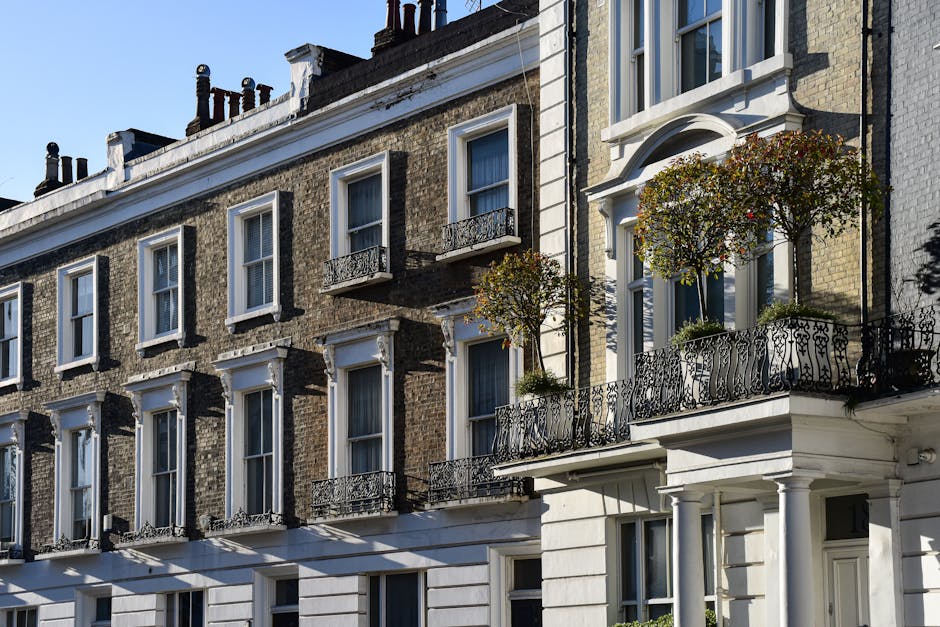
Fitzrovia gardens tend to sit behind elegant brick facades, stucco terraces, and those lovely but demanding period walls that hold heat in summer and shed it slowly in winter. The result can be a garden that looks easy from the street and then, truth be told, turns out to be a bit of a puzzle behind the house. Dry pockets, root pressure, awkward access, shade from neighbouring buildings, and drainage that never quite behaves itself. Sound familiar?
This guide walks through what actually works in real W1T townhouse gardens: how to protect period fabric, improve planting, manage maintenance without overdoing it, and avoid the expensive mistakes that can creep in when the garden is treated like any other London outdoor space.
For readers wanting wider support around home presentation and upkeep, it can help to look at related services such as garden maintenance, landscaping, and hedge cutting. Those pages are useful if your garden needs more than a seasonal tidy-up.
Table of Contents
- Why W1T townhouse garden care insider tips for Fitzrovia period homes Matters
- How W1T townhouse garden care insider tips for Fitzrovia period homes Works
- Key Benefits and Practical Advantages
- Who This Is For and When It Makes Sense
- Step-by-Step Guidance
- Expert Tips for Better Results
- Common Mistakes to Avoid
- Tools, Resources and Recommendations
- Law, Compliance, Standards, or Best Practice
- Options, Methods, or Comparison Table
- Case Study or Real-World Example
- Practical Checklist
- Conclusion
- Frequently Asked Questions
Why W1T townhouse garden care insider tips for Fitzrovia period homes Matters
Period townhouse gardens in Fitzrovia are not just decorative extras. They are part of how the property breathes, feels, and functions. A well-kept garden can make a narrow lower-ground room feel brighter, soften hard brick and stone, and create a calm view from kitchens, studies, or reception rooms. A neglected one, on the other hand, quickly becomes a source of damp concerns, boundary disputes, blocked paths, or simply that low-level stress of knowing it needs attention again.
In W1T, the setting matters. Many gardens are enclosed by neighbouring buildings, so they receive less direct sun than people assume. Some are sheltered; some are wind funnels. A few have mature trees nearby, which is lovely until roots start competing for water and soil starts compacting. And with period homes, the garden is often closely tied to older brickwork, basement light wells, listed features, and shared access arrangements. So the care approach has to be measured. Not fussy. Measured.
That is the big takeaway. These gardens reward consistency more than dramatic intervention. A little pruning at the right time, a sensible irrigation routine, and planting that respects shade and root pressure will usually achieve more than ripping everything out and starting again. That, to be fair, is where many people go wrong.
Expert summary: In Fitzrovia period homes, the best garden care is usually gentle, regular, and structurally aware. Work with the building, not against it. Protect the fabric, improve soil gradually, and choose plants that can cope with central London conditions.
If your garden forms part of a bigger property refresh, it may also sit alongside tasks like driveway cleaning or patio cleaning, especially where paving, steps, or access routes are integral to the feel of the home.
How W1T townhouse garden care insider tips for Fitzrovia period homes Works
Good townhouse garden care starts with observation. Before pruning, feeding, or replacing plants, you need to understand how the space behaves across the day and across the seasons. In central London, two neighbouring gardens can feel completely different even if they are only a few doors apart.
The process usually comes down to five linked tasks:
- Assess the structure - look at walls, paving, borders, gutters, raised beds, steps, and any signs of movement or moisture.
- Understand light and drainage - note where the morning sun reaches, where water pools after rain, and which areas dry out fastest.
- Protect period materials - avoid aggressive digging near old walls, fragile edging, or established roots.
- Choose suitable planting - select plants that suit shade, partial shade, air quality, and container growth if space is limited.
- Set a realistic maintenance rhythm - weekly checks, seasonal pruning, occasional soil improvement, and occasional specialist work.
In many W1T gardens, the biggest hidden issue is not the planting at all. It is what lies underneath. Compacted soil, old rubble, uneven drainage, or shallow topsoil can make a border look healthy for a season or two and then decline. If that sounds familiar, the answer is usually not more fertiliser. It is better structure, better mulch, and less disturbance.
It also helps to understand that period homes often need a softer gardening approach than modern new-builds. Heavy machinery, deep edging cuts, and over-enthusiastic power washing near brick and stone can do more harm than good. A careful hand pays off. Often more than a glamorous planting scheme does.
For more involved outdoor redesigns, the planning stage may overlap with fencing or garden clearance, especially if you are reclaiming an overgrown courtyard or reworking boundaries.
Key Benefits and Practical Advantages
When townhouse garden care is tailored to Fitzrovia period homes, the benefits are not just visual. Yes, the space looks better. But the practical gains can be even more valuable, especially in a property where every square metre has a job to do.
- Better curb appeal and rear-view appeal - a tidy, balanced garden lifts the whole property.
- Reduced damp risk around walls and thresholds - sensible planting and drainage reduce unnecessary moisture build-up.
- Lower long-term maintenance - consistent care is usually cheaper than emergency fixes after neglect.
- Improved usable space - the garden becomes somewhere you actually want to sit, not just pass through.
- Better plant survival - species matched to shade, containers, and sheltered urban conditions last longer.
- Protection of period fabric - old masonry, railings, and paving stay in better condition when treated carefully.
There is also a quieter benefit. A well-tended garden changes how a home feels at 7am, when the city is still waking up and the space is cool and still. You notice the details then: a clean line of clipped foliage, damp soil after watering, maybe a jasmine scent near the door. It sounds small. It is not small.
For landlords and homeowners alike, the garden can also support the wider presentation of the property. If the interior has already been refreshed, pairing that with thoughtful outdoor care creates a sense of completeness. That matters in period homes, where character is part of the value.
Who This Is For and When It Makes Sense
This kind of garden care is relevant if you own, manage, let, or are preparing to sell a townhouse or period property in Fitzrovia or the wider W1T area. It is especially useful if the garden is compact, enclosed, shaded, or attached to a basement, lower-ground flat, or mews-style layout.
You will probably benefit from a more tailored approach if any of the following sounds familiar:
- the garden gets patchy light and nothing seems happy for long
- the soil dries out quickly in summer but stays soggy in winter
- old paving is lifting or uneven
- trees or hedging are getting too close to walls
- the garden looks tired even after a basic tidy-up
- you want a low-maintenance space that still looks considered
- the property is period or listed and you want to avoid clumsy work
It also makes sense if you are planning a sale or rental handover. Buyers and tenants in central London often read outdoor space very quickly. Not in a dramatic way, just instinctively. Clean lines, healthy planting, and no obvious mess signal that the property has been cared for properly.
If you are unsure where to start, the safest approach is usually a garden health check followed by a phased plan rather than one big overhaul. That keeps disruption low and lets you spend money where it will actually help.
Step-by-Step Guidance
A sensible care routine for a W1T townhouse garden is usually less about grand design and more about disciplined, repeatable actions. Here is a practical way to approach it.
1. Start with a full site walk
Walk the garden in the morning and again after rain if you can. Look at where water sits, which corners stay dark, and where leaves collect. Check walls, joints, paving, railings, and any planters against the house. Tiny clues tell you a lot. A patch of moss near a drain may point to poor runoff; a border that never dries may need aeration rather than watering.
2. Remove the obvious clutter first
Clear dead stems, broken pots, fallen leaves, and weeds from joints and edges. In narrow London gardens, mess makes the space feel smaller than it is. A straightforward clearance is often the quickest way to reset the whole atmosphere.
3. Protect the hard surfaces
Use care around original paving, stone copings, rendered walls, and any old brickwork. Avoid harsh scraping or unnecessary pressure washing. Gentle cleaning is usually better for period materials. If a patio or path is badly stained or slippery, a specialist clean may be more appropriate than a DIY blast.
4. Improve soil before adding more plants
Many small town gardens in Fitzrovia have tired soil. Add organic matter where appropriate, loosen compaction carefully, and mulch bare borders. This helps water soak in and supports root health. If roots are already crowded or large trees are influencing the site, work shallow and measured. Deep digging can cause trouble.
5. Replant with the site in mind
Choose plants for the actual conditions, not the ideal ones in your head. Shade-tolerant evergreens, compact climbers, ferns, ornamental grasses, hellebores, and some spring bulbs can all work well depending on exposure. Containers can be useful where roots or boundaries limit in-ground planting. In a small garden, repetition is your friend. A few well-chosen plants repeated across the space feels calmer than a crowded mixture.
6. Build in simple watering and feeding routines
New planting needs regular water, especially in summer heat trapped by brick and paving. Mature planting still needs attention, but overwatering is a common mistake. Feed lightly and seasonally rather than constantly. If the soil is poor, mulch and structure usually matter more than chasing a miracle feed.
7. Prune for light, shape, and safety
Keep shrubs, climbers, and hedges trimmed so they do not crowd windows, spill into walkways, or press into masonry. Seasonal pruning should improve airflow and access without stripping away the garden's character. A little restraint goes a long way.
8. Review each season
Spring is for recovery and planting. Summer is for watering, deadheading, and watching for stress. Autumn is for leaf management and soil improvement. Winter is for structure, repairs, and planning. That cycle sounds simple because, well, it is. The challenge is sticking to it.
Expert Tips for Better Results
Here are the details that usually separate an okay courtyard from a garden that feels quietly exceptional.
- Work with the shade pattern, not against it. In Fitzrovia, full sun is often more limited than people expect. Pick plants that remain attractive without constant bright light.
- Use containers strategically. Large pots can solve drainage and soil-quality problems, and they let you control the look. Just make sure they do not block paths or trap moisture against walls.
- Keep a narrow visual palette. In small gardens, too many colours and textures create visual noise. Repeating two or three plant shapes usually reads better.
- Mulch annually where possible. It helps with moisture retention, weed suppression, and soil health. Small practical win, but a real one.
- Check gutters and downpipes near the garden edge. Overflowing rainwater can undo good planting very quickly.
- Trim climbers before they become a maintenance headache. Ivy, jasmine, and clematis can be beautiful, but they need routine control in period settings.
- Think about evening use. Even subtle lighting or a neatly maintained seating area can make a small garden feel useful after dark.
One local reality worth mentioning: urban dust and airborne grime settle fast in central London. Leaves can look tired simply because they have a film on them. That is not a planting failure. It is city life. A light rinse or soft clean can make the garden look refreshed again without changing anything else.
And yes, sometimes the best improvement is taking one thing away rather than adding three new ones. Less, in the right place, often looks more expensive.
Common Mistakes to Avoid
Small townhouse gardens are surprisingly easy to mishandle. The mistakes below are common, and they often cost more to fix than people expect.
- Overwatering containers and borders - especially where drainage is already limited.
- Planting too close to walls - roots, foliage, and moisture can all become issues.
- Using aggressive pressure washing on old surfaces - this can damage pointing, stone, or fragile finishes.
- Choosing large, vigorous plants for tiny spaces - they quickly outgrow the garden and create constant work.
- Ignoring the soil - a pretty planting plan cannot compensate for poor ground conditions forever.
- Letting hedges or climbers block light - especially important in basement or lower-ground spaces.
- Removing too much at once - in a period setting, stripping the garden bare can make it feel harsher and less settled.
Another mistake is treating every year like a blank slate. Period homes tend to improve with careful continuity. That does not mean leaving problems untouched. It means noticing what already suits the property and building on that, rather than fighting the character of the place.
If a border has been fighting shade for years, for example, the answer may not be brighter flowers. It may be better leaf structure, foliage contrast, and a more restrained composition. Not exactly thrilling on paper, but in practice it works.
Tools, Resources and Recommendations
You do not need a shed full of specialist kit to maintain a Fitzrovia townhouse garden properly. In fact, too much kit can become clutter in a small urban property. A few solid basics are usually enough.
- Hand secateurs for precise pruning and deadheading
- Long-handled loppers for thicker stems and awkward reach
- Sturdy gloves for nettles, rough bark, and general protection
- A watering can or controlled hose setup for targeted watering
- A small rake and hand fork for soil surface work and debris removal
- Mulch or compost to support soil and moisture retention
- Soft brushes and non-abrasive cleaning tools for stone, paving, and pots
If your garden needs more structured intervention, it may be worth looking at services such as lawn care, planting, and jet washing. Those can be useful when the space has a mix of soft landscaping and harder surfaces that need attention in the right order.
A practical tip: keep the tools you use most often visible and easy to reach. If a job feels like a faff before you even begin, it tends not to get done. Human nature, really.
Law, Compliance, Standards, or Best Practice
For most routine garden maintenance in Fitzrovia, the main concern is not legal complexity but good practice and property care. That said, period homes can introduce extra caution points, especially if the building is listed, in a conservation area, or has shared boundaries and access arrangements.
Here are the main points to keep in mind:
- Listed or period-sensitive features should be treated carefully. If in doubt, avoid irreversible work and seek the right professional input before making changes.
- Shared walls, fences, and access routes may require neighbour awareness, especially where work could affect drainage, light, or boundary structures.
- Tree roots and hard surfaces need careful handling. Digging close to mature trees or old foundations should be considered thoughtfully, not casually.
- Waste disposal from clearance should be handled responsibly. Green waste, soil, rubble, and treated timber should not be treated as the same thing.
- Noise and working hours matter in dense residential streets. Good contractors and careful homeowners keep disruption sensible.
Best practice in this context is simple: preserve what is worth keeping, avoid unnecessary disturbance, and make changes incrementally where possible. If your garden has complex structural issues, drainage concerns, or signs of building movement, do not guess your way through it. That is the moment to slow down.
For properties with especially sensitive features, the safer approach is often a maintenance-first plan rather than a heavy redesign. Clean, repair, prune, then decide what truly needs changing.
Options, Methods, or Comparison Table
When improving a W1T townhouse garden, most owners end up choosing between three broad approaches. Each has its place. The right one depends on time, budget, and how much the garden is currently struggling.
| Approach | Best for | Pros | Trade-offs |
|---|---|---|---|
| Routine maintenance | Established gardens that are generally healthy | Low disruption, predictable upkeep, keeps the garden presentable | Won't solve deeper drainage or layout problems |
| Targeted improvement | Gardens with tired planting, poor soil, or awkward edges | Good balance of cost and impact, fixes the main pain points | Requires a clear plan and some patience |
| Full redesign | Severely overgrown, badly laid out, or inherited gardens | Most transformative, allows a complete rethink | More disruption, more cost, and more decisions to manage |
For many Fitzrovia period homes, targeted improvement is the sweet spot. It delivers visible gains without flattening the character of the garden. Full redesigns have their place, of course, but they should be chosen because the existing layout really is not working, not just because everything looks a bit tired in March.
Case Study or Real-World Example
Here is a realistic example from a typical W1T townhouse setting. A compact rear garden behind a period property had a mix of old paving, three overcrowded shrubs, and a narrow border that always looked dry by mid-summer. The owner thought the issue was mainly "not enough flowers". It rarely is that simple.
On inspection, the bigger issues were shade from nearby structures, compacted soil, and one hedge that had grown so wide it was stealing light from the whole back wall. The fix was staged rather than dramatic:
- clear leaf litter and dead growth
- reduce the hedge carefully to improve light and access
- lift and enrich the soil in the border
- replace thirsty, high-maintenance plants with shade-tolerant, lower-drama choices
- add mulch and set a watering schedule for the first season
The noticeable improvement came from balance, not spectacle. The garden looked calmer, the lower-ground room got more light, and the space became usable again. Not perfect, because real gardens never are, but much better. The owner also stopped dreading the view from the kitchen window, which, honestly, is half the battle sometimes.
This is the pattern you see again and again in Fitzrovia period homes: identify the actual cause, not the most obvious symptom. Once you do that, progress gets a lot easier.
Practical Checklist
Use this checklist before, during, or after any maintenance visit.
- Check for blocked drains, standing water, or persistent damp patches
- Inspect walls, paving, and boundary structures for movement or damage
- Clear leaves, weeds, and dead plant material
- Trim back growth that blocks paths, windows, or light
- Confirm plants suit the garden's light and exposure
- Add mulch to tired borders where appropriate
- Water new planting consistently, but not excessively
- Review containers for cracks, drainage holes, and stable placement
- Keep tools and storage tidy to avoid clutter
- Plan seasonal maintenance rather than waiting for a problem
Quick reminder: if the garden starts to feel like a constant firefight, step back and simplify the plan. A smaller, healthier scheme is usually better than an ambitious one that is always on the brink.
Conclusion
The best W1T townhouse garden care insider tips for Fitzrovia period homes all come back to one idea: respect the character of the place. These gardens are rarely generous in size, but they can be deeply rewarding when managed with care, patience, and a bit of local understanding. The right approach is rarely flashy. It is steady, thoughtful, and responsive to the building around it.
Focus on soil health, light, drainage, and sensible planting. Protect old materials. Keep the maintenance rhythm simple enough that it actually happens. And if the space needs a bigger reset, make sure the work is shaped by the real conditions on site, not by a generic idea of what a London garden should look like.
In a part of the city where every detail counts, a well-kept garden does more than look nice. It gives the home breathing room. It softens the hard edges of urban life. And on a quiet evening, when the light is falling across the brick and the air has that faint post-rain smell, it can make the whole house feel more settled.
Get a free quote today and see how much you can save.
Frequently Asked Questions
What makes Fitzrovia townhouse gardens different from other London gardens?
They are often smaller, more enclosed, and more influenced by period building materials, boundary walls, and neighbouring structures. Light, drainage, and access tend to matter more than people expect.
How often should a townhouse garden in W1T be maintained?
Most gardens benefit from light weekly attention in growing season, with deeper seasonal work in spring and autumn. The exact schedule depends on planting, shade, and how much the garden is used.
Can I use pressure washing on old paving in a period garden?
Sometimes, but cautiously. Old stone, historic pointing, and delicate finishes can be damaged by harsh pressure. A gentler clean is often safer, especially near the house.
What plants usually work well in a Fitzrovia townhouse garden?
Shade-tolerant and compact plants often perform best, including certain evergreens, ferns, climbers, ornamental grasses, and layered foliage planting. The right choice depends on the garden's actual light levels.
Why does my garden stay damp even when it is small?
Small gardens can still hold water if drainage is poor, soil is compacted, or nearby walls and buildings limit sun and airflow. Dampness is often a site issue, not simply a watering issue.
Is a full redesign always better than maintenance?
No. In many period homes, targeted maintenance and selective improvement give the best result. A full redesign is only worth it if the current layout truly does not function.
How do I protect period brickwork near planting beds?
Keep planting a sensible distance from walls, avoid persistent saturation at the base, and prune growth before it presses into masonry. If a wall is historic or fragile, work conservatively.
What should I do before getting a quote for garden work?
Take note of the main issues: shade, drainage, overgrowth, paving damage, access problems, and what you want the garden to do for you. A clear brief helps produce a more accurate plan.
Are there compliance issues I should think about in a period property?
Yes, especially if the property is listed, in a conservation area, or has shared boundaries. The safest approach is to avoid irreversible changes until you understand what needs extra care.
Can a small garden still feel private in Fitzrovia?
Absolutely. Good screening, careful pruning, layered planting, and tidy boundaries can create privacy without making the garden feel boxed in. In small spaces, restraint is often the trick.
What is the biggest mistake people make with townhouse garden care?
Trying to solve everything with one big intervention. Small London gardens usually improve more through steady, well-judged maintenance than through dramatic one-off changes.
How do I know if my garden needs professional help?
If you are dealing with persistent drainage issues, overgrown boundaries, damaged paving, or planting that keeps failing despite basic care, professional help is probably worthwhile. Sometimes it is just simpler to get a proper assessment.