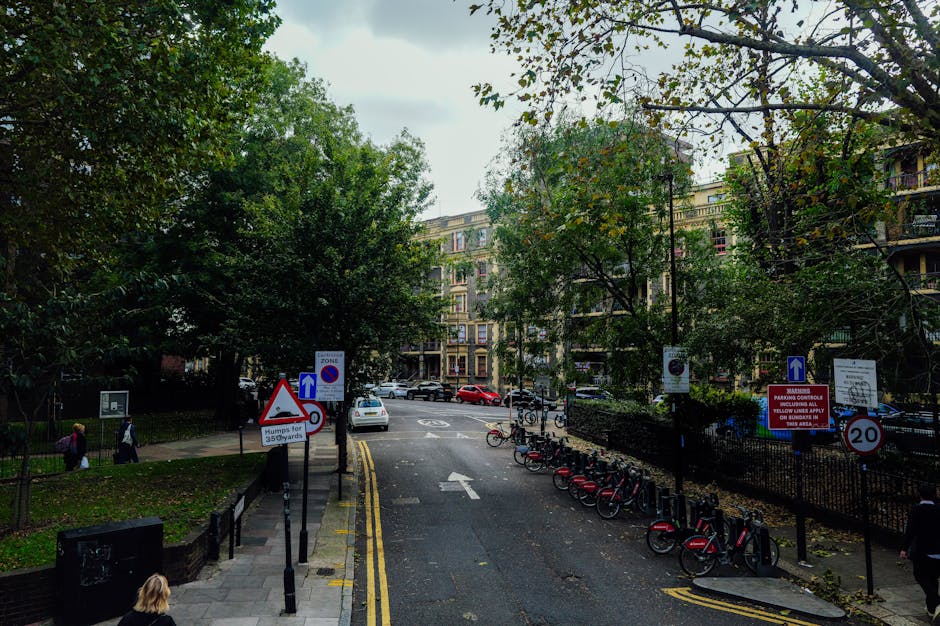
Camden Council rules for gardeners and garden waste in Fitzrovia
If you garden in Fitzrovia, the rules around waste, access, noise, and disposal can feel a bit tangled at first. One minute you are trimming a hedge; the next, you are wondering where the clippings can legally go, whether a pile of bags can sit outside, or if the job needs extra care because you are working in a shared courtyard. This guide explains Camden Council rules for gardeners and garden waste in Fitzrovia in plain English, so you can stay practical, tidy, and on the right side of local expectations.
That matters whether you are a homeowner, a landlord, a managing agent, or a gardener working for several addresses in the area. The basics are not glamorous, to be fair, but getting them right saves time, avoids complaints, and makes every job smoother. If you also need help with ongoing upkeep, you may find our garden maintenance service useful, especially for regular visits where waste builds up quickly.
Table of Contents
- Why Camden Council rules for gardeners and garden waste in Fitzrovia Matters
- How Camden Council rules for gardeners and garden waste in Fitzrovia Works
- Key Benefits and Practical Advantages
- Who This Is For and When It Makes Sense
- Step-by-Step Guidance
- Expert Tips for Better Results
- Common Mistakes to Avoid
- Tools, Resources and Recommendations
- Law, Compliance, Standards, or Best Practice
- Options, Methods, or Comparison Table
- Case Study or Real-World Example
- Practical Checklist
- Conclusion
- Frequently Asked Questions
Why Camden Council rules for gardeners and garden waste in Fitzrovia Matters
Garden work in Fitzrovia is not like a big suburban garden where you can wheel everything straight to the end of a drive and forget about it. Space is tighter, access can be awkward, and neighbours are close enough to hear every bag being dragged across paving. That is why the local approach to garden waste matters more than many people realise.
The main issue is simple: garden waste should be handled responsibly, moved safely, and stored or disposed of in a way that does not create a nuisance. In practical terms, that means planning your cuts, your clear-up, and your removal before you start. A tidy final result is only half the job. The other half is what happens after the pruning shears are put down.
In our experience, most problems come from one of three things: too much waste left on site, confusing mixed waste with general rubbish, or poor timing that leads to bags sitting around longer than they should. None of that is dramatic on its own, but it can lead to complaints, missed collections, or a job that looks finished but really is not.
For landlords and managing agents, it is also a reputational thing. A courtyard full of branches and green sacks can make a property look neglected very quickly. For private residents, it is more personal: you just want the place looking calm again, not like a small storm passed through the shrubs. Who can blame you?
Expert summary: The best way to handle garden work in Fitzrovia is to treat waste management as part of the service, not an afterthought. Plan the cut, plan the storage, plan the removal.
How Camden Council rules for gardeners and garden waste in Fitzrovia Works
Camden Council expectations around garden waste are best understood as a combination of common-sense waste handling, property management, and local environmental responsibility. While specific procedures can change over time, the practical principles tend to stay the same: keep waste separated where needed, do not obstruct communal access, and make sure anything being removed is handled properly.
For gardeners working in Fitzrovia, this usually means checking a few things before the job begins:
- Where the waste will be stacked during the work
- Whether the property has bin storage or collection access
- Whether green waste will be taken off site or bagged for collection
- Whether branches, soil, turf, or mixed debris need different handling
- Whether the job creates noise, dust, or temporary obstruction for neighbours
That last one is easy to overlook. A garden may be private, but access routes often are not. In a mews, courtyard, or shared entrance, the tidy path from the back gate to the street can matter almost as much as the pruning itself.
It also helps to separate garden waste from bulky rubbish and construction-type material. Garden clippings, leaves, small branches, and hedge trimmings are one thing. Old timber, broken pots, rubble, or dismantled fencing are another. If a job involves more than routine garden waste, a broader clear-up approach may be needed, such as our garden clearance service.
For larger maintenance days, the waste question often determines the schedule. A quick hedge trim may only produce a few bags. A full seasonal tidy-up can create far more. That is why garden waste planning is not just a council issue; it is a time-saving issue too.
Key Benefits and Practical Advantages
Following a sensible, Camden-aware approach to garden waste in Fitzrovia gives you more than just compliance. It makes the whole job feel calmer and more professional. And yes, that does matter.
- Cleaner final presentation: No leftover piles, no messy paths, no soggy bags sitting by a wall.
- Fewer complaints: Neighbours are far less likely to object if waste is handled quickly and neatly.
- Better access management: Shared entrances and narrow routes stay usable during the work.
- Lower risk of pest or odour issues: Garden waste left too long can attract unwanted attention, especially in warm weather.
- More efficient jobs: When waste handling is planned early, the gardener works faster and more cleanly.
- Better client confidence: A tidy waste plan signals professionalism, not just sharp secateurs.
There is also a sustainability angle. Many people in central London now want garden work done with less waste and more thought. Compostable material should not be mixed carelessly with general rubbish, and reusable green materials should be treated sensibly. If you care about responsible disposal, our recycling and sustainability page gives a useful overview of that mindset.
One small but real benefit: when waste is bagged and removed properly, you avoid that slightly awkward moment where a client thinks the work is done but the space still looks half-finished. You know the look. Fresh cuts, yes. Peaceful garden, not quite yet.
Who This Is For and When It Makes Sense
This topic is relevant to a surprisingly wide group of people. If you live or work in Fitzrovia and deal with outdoor space, it is worth understanding the basics even if you are not the one holding the hedge trimmer.
- Homeowners: If you do light garden work yourself, you still need to know how to manage the waste properly.
- Landlords: Turnover between tenants often creates a burst of garden debris that needs fast removal.
- Managing agents: Communal or shared outdoor areas often need a coordinated waste plan.
- Professional gardeners: Local expectations affect how you quote, schedule, and clear up.
- Residents with small courtyards or terraces: Even small spaces create more waste than people expect.
It makes sense whenever a job is likely to create more than a few clippings. A routine mow is one thing. A hedge reshaping, border clear-out, or seasonal tidy-up can be another matter entirely. If the garden has become overgrown, the waste stream may be closer to a one-off project than a simple weekly tidy. In that case, a dedicated hedge trimming visit or a broader garden maintenance plan may be the better fit.
And if you are dealing with a lawn, not just shrubs, then the waste profile changes again. Cut grass is light, but it still needs collecting, bagging, and moving quickly before it turns clumpy or starts to smell. A straightforward lawn mowing job can look easy until you actually do the clean-up. Then, well, let's face it, the bin bags arrive.
Step-by-Step Guidance
If you want to keep things simple, use this basic process. It works for one-off jobs and repeat maintenance alike.
- Assess the site first. Look at access points, shared paths, bin storage, and any narrow sections where waste could block movement.
- Separate the waste types. Keep green waste apart from general rubbish, broken fixtures, and anything that may need different disposal arrangements.
- Choose the disposal route before cutting. Decide whether the waste is being bagged, collected later, or removed the same day.
- Use the right containers. Heavy branches, wet clippings, and loose leaves all behave differently. Mixing them is usually a pain.
- Keep communal areas clear. If the property shares access, leave a walkway open and remove waste as you go.
- Do a final sweep. Check paving, corners, gutters, and steps. Small leaf piles are easy to miss.
- Confirm the site is left tidy. This matters to the client, and it matters to neighbours too.
If the project is more substantial, ask yourself: will the waste fit comfortably into normal collection routines, or is this really a removal job? That is the decision point. Many people wait too long to ask it. Then it is 4:30 on a wet afternoon, and the garden is full of bags that nobody wants to move. Not ideal.
For bigger jobs or heavily overgrown spaces, a specialist clearance approach can save time and stress. A service like garden clearance is often the cleanest answer when the amount of waste exceeds what a routine visit can reasonably manage.
Expert Tips for Better Results
A few small habits make a big difference in Fitzrovia, where space is tight and timing matters.
- Cut in phases: Do not remove every branch before checking your waste stack. A phased approach stops the site from becoming chaotic.
- Watch the weather: Wet waste weighs more and makes bags awkward to carry. A dry morning can save real effort.
- Use lighter loads: Smaller bags are easier to move through narrow hallways or stairwells.
- Protect floors and thresholds: If waste passes indoors or across shared entrances, use sensible protective care.
- Plan noisy work carefully: Trim, cut, and clear at times that are respectful to neighbours. London mornings have a rhythm of their own.
- Match the method to the garden: A terrace, roof garden, and rear courtyard all need slightly different handling.
Another tip that sounds obvious but is often missed: tell the client what will happen to the waste before the job begins. It removes uncertainty. People relax when they know the clippings will not sit in a corner for two days while someone "figures it out."
If trees are involved, be extra cautious. Branch size, overhanging limbs, and the need for safe handling can change the whole job. In those cases, our tree lopping and removal service may be the right route, especially where waste volume and access both need more planning.
Common Mistakes to Avoid
Most problems are not complicated. They are small oversights that snowball. Here are the ones that come up most often.
- Leaving waste in communal areas too long: This is the fastest way to annoy neighbours or building managers.
- Mixing garden waste with general rubbish: It makes disposal harder and can create confusion over what is actually being removed.
- Underestimating volume: A modest-looking shrub can produce a surprising amount of cuttings once it is fully reduced.
- Forgetting access limits: A large bag may be easy to fill but awkward to move through a narrow stairwell.
- Not planning for weather: Rain, wind, and damp soil all change the job. Quite a lot, actually.
- Assuming every waste stream is handled the same way: It is not. Green waste, soil, timber, and mixed debris all need thought.
A slightly less obvious mistake is treating garden waste as an afterthought in the quote. If removal time is not included properly, the job may look cheap but feel rushed. That is rarely a good trade. Better to be clear up front.
Another one: starting the cut before checking the exit route. Sounds trivial. It is not. Once branches are down, you want a clean path out, not a zig-zag through patio furniture and bikes.
Tools, Resources and Recommendations
You do not need a truck full of specialist gear to manage garden waste well, but a few sensible tools make life much easier.
| Tool or resource | Best use | Why it helps |
|---|---|---|
| Heavy-duty garden bags | Clippings, leaves, light trimmings | Easy to stack, tie, and move |
| Rake and blower | Final sweeping and leaf collection | Speeds up the clean-up stage |
| Pruning saw and loppers | Branches and woody growth | Makes waste easier to bundle safely |
| Tarpaulin or sheet | Temporary stacking and drag-out | Keeps paths cleaner during the job |
| Protective gloves and footwear | General waste handling | Reduces cuts, slips, and strain |
For service planning, it also helps to think in terms of maintenance rather than rescue work. Regular services overview planning can prevent large waste build-ups, which is especially handy in compact Fitzrovia gardens.
If you are considering a redesign at the same time as routine upkeep, it may be worth exploring landscape gardening or broader landscaping support. Changes to layout, edging, or planting often influence how much waste future visits generate. A good plan now saves a headache later.
For trusted business information, clients often also want to know how a company works, how it handles safety, and what to expect. Useful pages such as about us, insurance and safety, and health and safety policy can help build that confidence without any fuss.
Law, Compliance, Standards, or Best Practice
When garden work is carried out in Camden, the safest approach is to follow the general duty to prevent nuisance, keep waste controlled, and avoid fly-tipping or careless dumping. You do not need to turn a simple pruning job into a legal seminar, but you do need to respect the basics.
In practice, good compliance means:
- Keeping waste on site only as long as needed
- Making sure waste is handled by the right route
- Avoiding obstruction of pavements, entrances, or shared spaces
- Using sensible manual handling methods for heavy loads
- Not mixing garden waste with anything that should be treated separately
For professional gardeners, the standard is even higher. Clients expect a clean site, safe working practice, and careful behaviour around neighbours and property access. That includes decent communication. If waste removal will take extra time, say so. If a large bag needs to be split into two smaller ones, say that too. Clear expectations prevent awkwardness later.
Best practice also means keeping records of what was done, especially for repeat visits or managed properties. It is not about bureaucracy for its own sake; it is about being able to explain the work if questions come up.
If there is ever a complaint about noise, access, or disposal, a clear procedure helps. That is where a transparent complaints procedure can be reassuring, even if you hope it is never needed. Ideally, of course, nobody uses it.
Options, Methods, or Comparison Table
There is no single right way to deal with garden waste in Fitzrovia. The best option depends on volume, access, timing, and how much of the work is maintenance versus clearance.
| Method | Best for | Pros | Trade-offs |
|---|---|---|---|
| Bag and store for collection | Light to moderate waste | Simple, predictable, low disruption | Requires secure storage and timely collection |
| Same-day removal | Busy homes, shared properties, larger cuts | Fast, tidy, less clutter | Needs good access and planning |
| Full garden clearance | Overgrown gardens or neglected areas | Resets the space completely | More time, more waste, more coordination |
| Routine maintenance visits | Ongoing care and smaller waste amounts | Keeps things under control | Requires consistency, not a one-off fix |
If you are unsure which method fits your property, ask a very practical question: what creates the least disruption while still leaving the garden genuinely finished? That answer is usually more useful than chasing the cheapest option. Cheaper, as we all know, can get expensive in a different way.
For many Fitzrovia homes, a maintenance-first approach works best. For others, especially where the garden has been neglected for months, clearance is the better reset. Neither is wrong. They just solve different problems.
Case Study or Real-World Example
Picture a small rear garden behind a Fitzrovia flat: a hedge needs shaping, a lawn edge has gone soft, and the border has produced more clippings than expected after several quiet weeks of growth. Nothing extreme. Just a typical central London garden that has slipped a little.
The first mistake would be treating it like a quick in-and-out job. The better approach is to assess access, lay out a sensible waste route, and decide whether the cuttings can be bagged neatly for collection or should be removed the same day. In a narrow space, even two overfilled bags can make the area feel cluttered and stressful.
In a case like this, a maintenance visit can be broken into stages: trim, collect, sweep, final check. If the hedge produces more than expected, the waste is bundled immediately rather than piled by the back door. The result is a garden that actually feels finished when you step back into it.
That is usually the difference between a tidy job and a good one. The details. The little pauses. The bits that no one notices when they go right, but everyone notices when they do not.
For a more involved tidy-up, the same property might benefit from a short-term garden clearance visit followed by regular upkeep. That combination is often more practical than trying to force everything into a single maintenance slot.
Practical Checklist
Use this quick checklist before, during, and after garden work in Fitzrovia.
- Confirm access routes and storage space
- Separate green waste from general rubbish
- Choose bagging, collection, or removal in advance
- Keep communal areas clear throughout the job
- Use manageable bag sizes for narrow access
- Check for branches, soil, and heavier material that may need different handling
- Do a final sweep of paths, corners, and steps
- Make sure the finished space looks genuinely tidy, not just cut back
- Plan maintenance frequency if the garden grows quickly
- Review whether a one-off clearance is needed for overgrown spaces
If you want a simple rule of thumb, here it is: if the waste is awkward for you to carry, it is probably awkward for the site too. Deal with it early.
Conclusion
Camden Council rules for gardeners and garden waste in Fitzrovia are really about good practice, local awareness, and tidy execution. The best results come from planning waste handling as carefully as the gardening itself. That means understanding access, separating materials correctly, clearing promptly, and leaving the site calm and clean.
For residents and professionals alike, that approach reduces stress, protects neighbourly relationships, and makes each visit more efficient. It also helps you avoid the classic central London headache of trying to move too much waste through too little space. Truth be told, that is where many jobs become harder than they needed to be.
If you are comparing ongoing care, one-off clear-ups, or more substantial garden work, take a look at our pricing and quotes information and the wider services overview to see what fits your garden best. A little planning now can save a lot of messy work later.
Get a free quote today and see how much you can save.
And if all you want is a garden that feels neat again without the faff, that is completely fair. Sometimes the best result is simply stepping outside, seeing everything in order, and enjoying the quiet for a moment.
Frequently Asked Questions
What counts as garden waste in Fitzrovia?
Garden waste usually means clippings, leaves, branches, hedge trimmings, grass cuttings, and similar green material. Soil, rubble, broken pots, timber, and mixed rubbish may need separate handling.
Can gardeners leave waste in a communal area temporarily?
Only if it is managed carefully and does not block access or create a nuisance. In shared buildings, waste should be removed as quickly as possible and never left in a way that inconveniences neighbours.
Do I need a special service for hedge trimmings?
Not always. Small amounts can often be bagged and removed as part of routine maintenance. Bigger hedges, however, can create a lot more waste, so a dedicated hedge trimming visit may be the cleaner option.
Is garden clearance different from regular maintenance?
Yes. Maintenance is usually ongoing care and lighter waste. Clearance is for bigger jobs, neglected gardens, or spaces that need a fuller reset. If you are unsure, think about volume and disruption.
What if my garden waste is too bulky for normal bags?
Then it needs a different disposal plan. Heavy branches, wet turf, or awkwardly shaped material should be cut down, bundled, or removed through a clearance-style approach so the site stays manageable.
Can I mix grass cuttings with branches?
You can sometimes put similar green waste together, but it is usually smarter to separate bulky branches from soft cuttings. That makes bags easier to carry and reduces the chance of splits or overfilling.
How do I keep neighbours happy during garden work?
Work at reasonable times, keep paths clear, remove waste promptly, and avoid leaving a mess behind. A quick explanation before a noisier job can help too. People are usually more relaxed when they know what to expect.
What should I ask a gardener about waste removal?
Ask where the waste will go, whether it is included in the quote, how much will be bagged, and whether the job includes final cleanup. Those practical questions reveal far more than a glossy sales pitch.
Does regular maintenance reduce garden waste problems?
Yes, usually. Smaller, more frequent visits stop growth from becoming unruly and reduce the size of each clear-up. It is easier on the garden, too, which is nice. Less drama all round.
What if I have both garden work and landscaping changes?
Then the waste plan needs to be broader. Landscaping can create more varied debris than simple maintenance, so it helps to treat it as a separate project with its own disposal and access considerations.
How do I know whether I need a full clearance?
If the garden is overgrown, cluttered, or producing far more waste than a normal visit can sensibly handle, clearance is probably the better choice. When in doubt, ask for an assessment before starting the work.
Where can I find more about the company behind these services?
You can read more on the about us page, review the insurance and safety information, and check the health and safety policy for a clearer picture of how work is managed.